



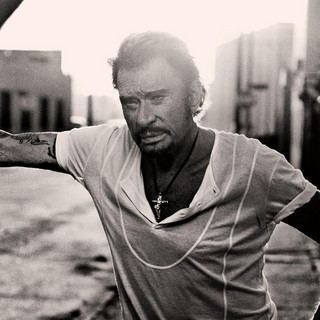

I can settle do-wn and be doin'just fine Til I hear an old train rollin'down the line Then I hurry strai-aight home and pack And if I didn't go, I believe I'd blow my stack I love you ba-aby, but you gotta understand When the Lord made me He made a ramblin'man. Some folks might say that I'm no good That I wouldn't settle down even if I should Let me travel this land from the mountains to the sea 'Cause it's the life I believe he meant for me And when I'm gone and at my grave you stand Say, the Lord called home your ramblin'man I love to see the tow-owns a passin'by And to ride these rails 'neath God's blue sky ... Well I know it's hard but you gotta understand When the Lord made me, he made a ramblin'man When the Lord made me, he made a ramblin'man
Du même artiste
I Will Do
Long Live The (D)evil
Back in Town
Jimmy
History of Violence
How Many Tides (After Sean Sellers)
When I Ride
Diamonds Never Die

À propos de la chanson
Accord de
Vous pouvez changer d'instrument (guitare ou piano) dans les réglages - la roue crantée dans la barre de menu.